


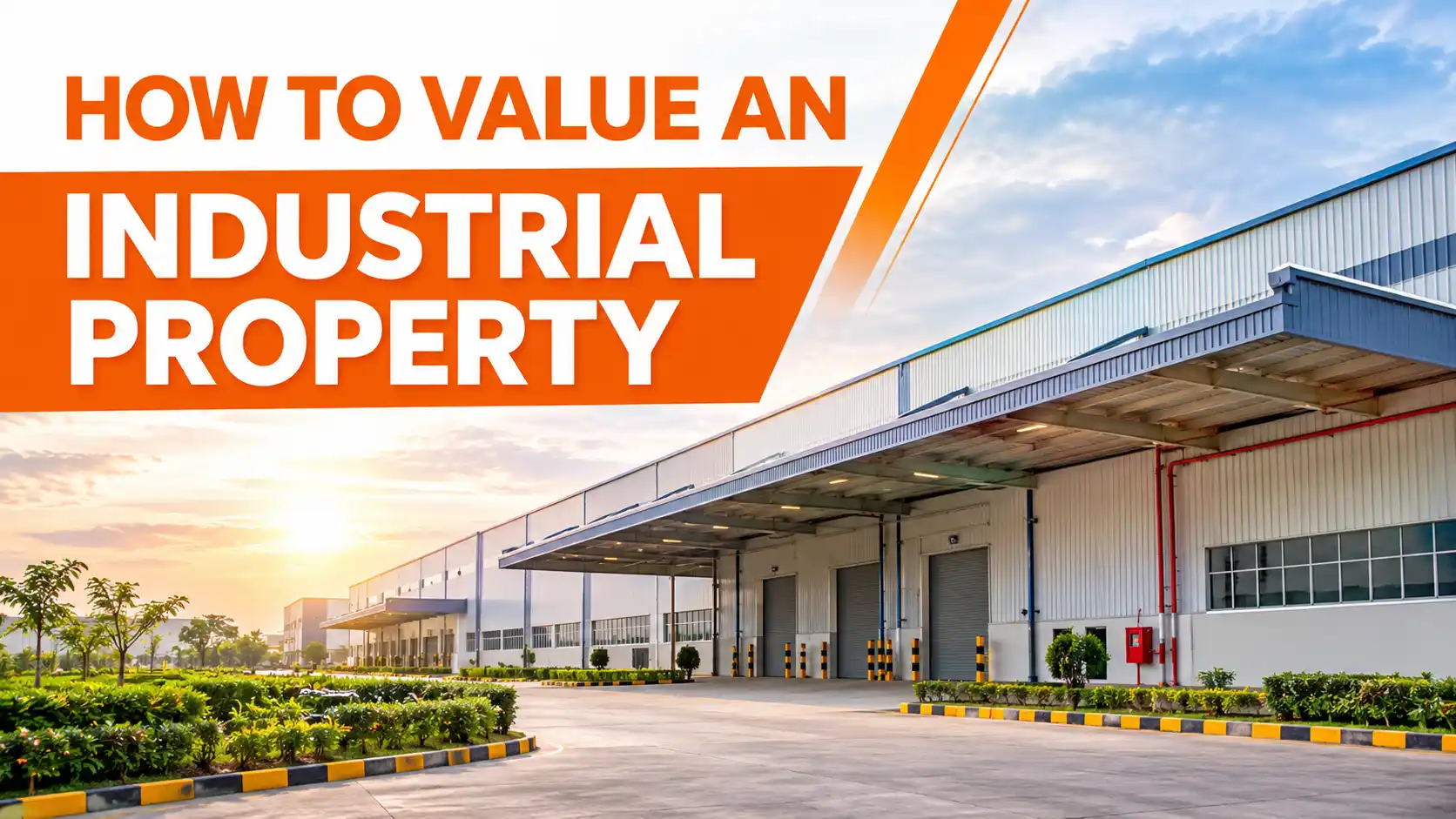
Several factors affect an industrial property’s value, including location, land size, construction quality, infrastructure, accessibility, rental income, and market demand. Whether you are buying an industrial property in Delhi or looking to invest in a warehouse in Delhi, understanding these aspects of industrial property valuation is important. Accurate valuation also helps purchasers compare options, negotiate prices, and assess long-term investments.
1. Review the Property’s positioning
At Ganesh Complex, the expert believes that location is one of the most significant factors affecting industrial property value. Properties located close to highways, transport routes, industrial centres, and commercial centres tend to have more demand. Delhi, for instance, has industrial properties with easy access to NH-48, key freight lines, and distribution systems.
When you’re assessing a site, ask the following questions:
- Closeness of highways and expressways.
- Access to railway freight terminals.
- Remoteness to key markets and suppliers.
- Labour and other industries.
- Access to electricity, water and other utilities.
A well-located industrial estate can provide greater operational convenience and long-term appreciation.
2. Check Land Area and Built-Up Space
Overall property size and available industrial space directly affect an industrial property’s market value. The plot size, warehouse space, factory floor space, loading area, parking and space for extension should be considered when choosing the right buyer. Adequate storage, vehicle movement space, loading docks, and ceiling height are critical factors that affect a warehouse’s utility in Delhi.
Also, be careful not to confuse:
-
Plot area
The amount of land taken up by the land parcel.
-
Built-up area
The total constructed area, including walls.
-
Carpet area
The actual usable area inside.
-
Open area
Land available for future development and parking/storage.
These comparisons help buyers understand what they’re really paying for.
3. Evaluate the construction quality and infrastructure
The following are key things to check:
- Foundation strength and structure.
- Flooring suitable for heavy machinery.
- Roof condition & drainage systems.
- Electrical connections and electrical capacity.
- Fire safety equipment and ventilation.
- Facilities for loading and unloading.
Purchasing consumers should also factor in the projected repair, upgrade and maintenance costs when deciding on their purchase.
4. Know how to interpret Zoning and Legal Approvals.
When assessing the true value of an industrial property, it is imperative to be compliant with the law. Ownership or approval may not be clear, which can cause operational and financial risks.
When you are looking to buy an industrial property for sale in Delhi, do check:
- Ownership documents and title history
- Use of the land and zoning approval
- Building plans & construction approvals
- Permits for industrial development
- There are outstanding dues, such as property tax
- Environmental/ Fire safety clearances (if appropriate)
Buyers should also confirm whether the proposed industrial use can be carried out at the proposed site.
5. Compare Recent Market Transactions
A Comparative Market Analysis (CMA) helps estimate a property’s value for industrial use. This includes a comparison of the property with similar plots, industrial buildings and warehouses which have been sold in the area in recent months.
Just keep the following comparison factors in mind:
| Valuation Factor | What to Compare |
|---|---|
| Location | Industrial area and connectivity |
| Land size | Total plot area |
| Construction | Building condition and quality |
| Infrastructure | Power, water, and loading facilities |
| Market price | Recent transaction prices |
| Accessibility | Road and transport connectivity |
| Transportation planning | It ensures the safe delivery of heavy components |
Buyers can compare similar properties to see whether the price is below asking.
6. Calculate Potential Rental Income
Rental income is another key valuation element for those buying an industrial property to invest in.
Rental valuation uses the property’s income-producing potential to determine value.
Simple Calculation:
Gross Rental Yield = (Annual Rental Income / Purchase Price) x 100
As a rough calculation, the example of an industrial property being priced at ₹2 crore and fetching an annual rental income of ₹12 lakh can be used to arrive at its gross rental yield:
(₹12,00,000 ÷ ₹2,00,00,000) × 100 = 6%
Always remember that, in addition to the purchase price, the buyer must consider operating costs such as maintenance, vacancy factor, property taxes, insurance, etc., to determine the investment’s return.
7. Think About Future Growth Opportunities
The potential for future growth in the industrial property should also be considered. New industrial clusters and infrastructure, road connectivity, and ever-growing demand for logistics warehousing can impact property value.
Other warehouse in Delhi with available land for expansion or better storage conditions could have longer-term potential. But model future appreciation on market data rather than assumptions.
Conclusion
Don’t judge industrial real estate solely on location and price. When assessing an industrial property, consider land area, building quality, infrastructure, permits and approvals, market valuation, rental income, and development potential.
Whether you’re looking for an industrial property for sale in Delhi or a warehouse in Delhi, a thorough property inspection can reduce your risk of missed opportunities and unpleasant surprises. Find the right property through property valuation and legal diligence.


