


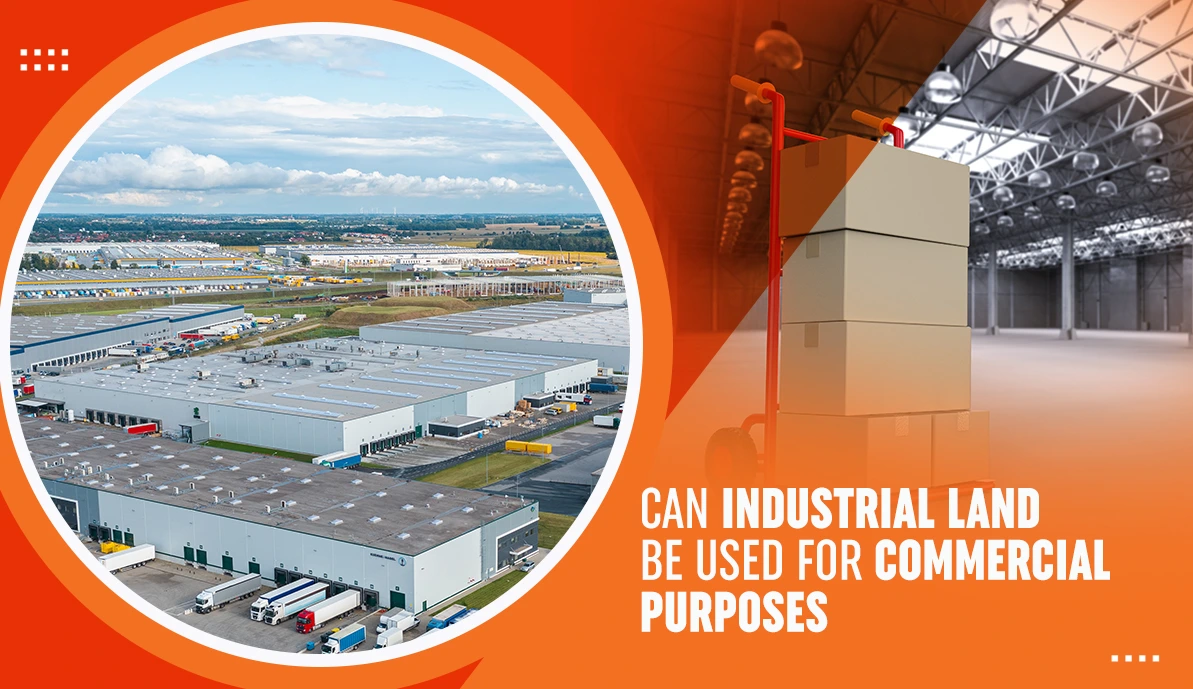
Industrial land has long been associated with factories, warehouses, and large-scale production units. Yet, as urban development accelerates and businesses seek cost-effective locations, many are curious about whether these lands can be repurposed for commercial activities. With real estate markets evolving and cities becoming more congested, this question has become more relevant than ever. Understanding the legal aspects, investment potential, and challenges can help investors make smarter decisions when considering industrial land for business expansion.
Understanding Industrial Land Use
Industrial land is specifically zoned for activities like manufacturing, storage, logistics, and heavy production work. This zoning system is essential to prevent clashes between industrial operations and residential or commercial life. For example, a factory with heavy machinery or emission-producing processes cannot operate next to a residential neighborhood without affecting the quality of life.
Commercial activities, by contrast, include retail outlets, showrooms, corporate offices, and entertainment hubs. These businesses rely on high foot traffic, accessibility, and visibility, which industrial zones often lack. However, in recent years, local authorities have begun allowing mixed-use developments, where parts of industrial zones can be adapted for commercial purposes. This is especially true in developing cities where land scarcity is pushing for more flexible zoning policies.
Such flexibility makes industrial areas more appealing to businesses that do not necessarily rely on walk-in customers but require large, affordable spaces for operations. E-commerce warehouses, distribution hubs, and even vehicle showrooms are examples of businesses successfully using industrial land for commercial purposes.
What Can You Build on Industrial-Zoned Land?
Industrial zoning allows the uses it was created for. The exact list comes from the local master plan or the industrial corporation’s rules, but these uses are typically permitted:
- Factories and manufacturing units
- Warehouses, godowns and cold storage
- Logistics, distribution and fulfilment centres
- Workshops, repair and service units
- Ancillary buildings that support the main activity, such as an office, canteen and staff facilities
Retail shops, showrooms, restaurants and standalone offices usually count as commercial uses. On industrial land they normally need a change of land use or special permission, which is why the conditions below matter.
Conditions for Using Industrial Land Commercially
While converting industrial land to commercial use is possible, it is not as simple as moving operations into a vacant plot. Businesses must meet legal, environmental, and infrastructural conditions before initiating any commercial activity.
- Zoning Approval: Every city has zoning laws that dictate how land can be used. If a plot is officially zoned as industrial, owners must apply for a change of land use. Approval is required from municipal authorities, and the process can involve multiple inspections.
- Environmental Clearances: If the area has heavy industries nearby, commercial use could pose environmental or safety concerns. Authorities ensure that land conversion will not harm surrounding areas or create traffic bottlenecks.
- Infrastructure Suitability: Commercial activity often demands better access roads, parking facilities, water supply, and waste management. Without these, attracting customers or running smooth operations becomes difficult.
Fulfilling these conditions ensures that the land conversion is legal and future-proof. Skipping this process can lead to penalties, eviction, or closure of operations, which can be financially damaging.
Investment Potential of Industrial Land
From an investor’s perspective, industrial plots can present unique opportunities. They are often more affordable than prime commercial locations while offering significantly larger spaces. This opens doors for creative business uses, such as combining storage with customer-facing operations.
Many investors explore commercial industrial properties for sale to take advantage of this dual-use potential. For instance, automotive companies use industrial plots for both servicing and showroom purposes. E-commerce businesses, which prioritize space over walk-in traffic, can set up warehouses in industrial zones and still dedicate a section for retail pickups or small sales.
In addition to affordability, industrial land often comes with lower competition. While prime commercial areas are saturated, industrial zones provide long-term expansion possibilities, which can increase the value of the property over time. When cities expand, these plots can appreciate quickly, offering high returns for patient investors.
Challenges of Using Industrial Land for Commercial Purposes
Despite the potential, converting industrial land into commercial use is not without challenges.
- Legal Barriers: The most immediate risk is operating without proper approval. Unauthorized use can lead to legal action, fines, and business interruption.
- Infrastructure Gaps: Industrial areas are designed for trucks and heavy vehicles, not regular customers. Lack of public transport and pedestrian pathways can limit foot traffic.
- Customer Perception: Businesses that rely on walk-in sales may struggle in industrial areas where the surroundings appear less appealing or safe.
Overcoming these challenges requires strategic planning. Investors often collaborate with architects, urban planners, and legal consultants to redesign the space in compliance with both commercial and industrial standards.
Steps to Convert Industrial Land to Commercial Use
Turning industrial land into a commercial hub involves multiple steps:
- Check Local Zoning Laws: Confirm the land’s status with the local municipal authority to avoid legal issues.
- Apply for Land Use Conversion: Submit the required applications with layout plans, safety certifications, and business proposals.
- Meet Environmental and Infrastructure Standards: Ensure adequate parking, waste disposal, and safety measures are in place.
- Upgrade Facilities: Install better lighting, signage, and access roads to make the area more customer-friendly.
Many businesses that buy an industrial plot for sale in Kolkata follow this step-by-step approach to avoid future complications. Once approved, the converted property can serve as a profitable business base and long-term real estate asset.
Can Industrial Land Be Used for Housing?
Generally no. Industrial zones are planned for the noise, traffic and pollution that residential areas are kept away from, and plots allotted by industrial corporations usually carry a condition that the land can be used only for industrial purposes. Building a house on industrial-zoned land, or converting the land to residential use, normally needs a change of land use approved by the planning authority, and it can be refused when the surrounding area is industrial. Some industrial areas allow limited staff or watchman quarters, but not a family home. Check your plot’s allotment or lease terms and the master plan before you plan any housing.
Can You Build a Warehouse on Residential Land?
Also generally no. Residential zoning does not allow storage or warehousing, so the land use would have to be changed first, or you would need a plot in a zone that permits it. Rules differ by city and state, so confirm with the local development authority before you buy.
The Bottom Line
Industrial land can indeed be used for commercial purposes, provided that businesses follow proper procedures and meet local regulations. With the right approvals and infrastructure upgrades, such land can transform into high-value commercial hubs. Investors who approach the process strategically can unlock exceptional returns and long-term growth opportunities. By combining legal compliance with smart planning, industrial plots can become the foundation of innovative and profitable ventures.


