


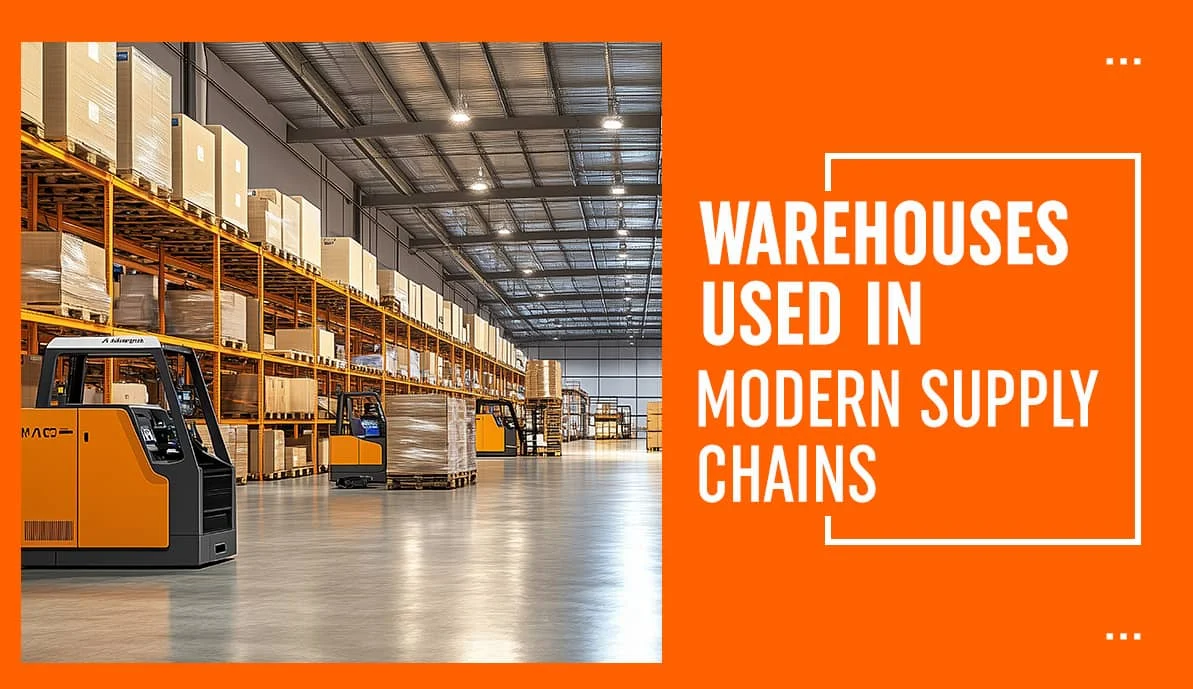
Modern supply chains depend on planning, timing, and proper storage. A warehouse helps businesses store goods safely before they move to the next stage. It supports inventory control, order handling, and smooth transport planning. Today, warehouses are not just storage buildings. They support tracking systems, quality checks, and faster dispatch. As supply chains grow across cities and regions, the need for well-planned warehouses becomes even more important for daily operations.
Why Is a Warehouse Essential for Modern Supply Chains?
Helps manage inventory in a planned way
A warehouse allows businesses to store goods in a structured layout. Products are placed based on type, demand, and movement speed. This makes counting and tracking easier at every stage. Clear inventory data helps businesses plan purchases and production better. It also reduces confusion during audits and daily operations.
Reduces delivery delays
Warehouses help place goods closer to buyers and transport routes. Orders can be processed faster when stock is already available nearby. This reduces waiting time caused by long-distance movement. It also helps manage peak demand without stress. Timely delivery builds long-term trust with customers.
Supports bulk storage safely
Bulk storage is difficult without proper space and systems. Warehouses offer racks, pallets, and handling tools for large volumes. Goods remain protected from heat, rain, and damage. This is important for raw materials and finished products. Safe storage helps avoid losses and quality issues.
Improves cost control
Warehouses help reduce repeated transport trips. Goods can be moved in planned loads instead of frequent small shipments. This saves fuel, labour, and handling costs. Proper storage also lowers damage and return expenses. Over time, these savings support stable business growth.
Helps handle supply chain risks
Supply chains often face delays due to weather or transport issues. Warehouses act as a backup during such periods. Stored goods help meet demand even when supply slows. This reduces sudden pressure on operations. Risk planning becomes easier with reliable storage support.
Supports growth and scaling
As businesses grow, their storage needs increase. Warehouses provide space to handle higher volumes without chaos. They allow smooth expansion without major process changes. This supports new markets and larger orders. Growth becomes more controlled and predictable.
Different Types of Warehouses Used in Modern Supply Chains
Private Warehouses
Private warehouses are owned by a single business for its own use. They offer full control over layout, staff, and storage systems. Companies can design the space based on product flow and safety needs. This option suits businesses with steady demand and large volumes. Many firms choose a Warehouse in Kolkata under a private setup to stay close to ports, roads, and markets.
Public Warehouses
Public warehouses are shared facilities run by third parties. Businesses rent space based on short-term or long-term needs. This model offers flexibility without high setup costs. Maintenance, staff, and security are handled by the operator. It works well for seasonal demand and small businesses.
Distribution Centres
Distribution centres focus more on movement than storage. Goods arrive, get sorted, packed, and shipped quickly. These centres support fast order fulfilment and high order volumes. They are common in retail and e-commerce supply chains. Speed and accuracy matter more than long-term storage here.
Cold Storage Warehouses
Cold storage warehouses are used for temperature-sensitive goods. These include food items, dairy, medicines, and chemicals. Controlled temperature helps maintain safety and quality. Such warehouses need proper monitoring and power backup. Costs are higher, but they reduce spoilage and waste.
Bonded Warehouses
Bonded warehouses store imported goods before duty payment. They help manage cash flow and clearance timelines. Goods remain under customs control until released. This option supports importers handling bulk shipments. Proper documents and compliance are required for smooth use.
Smart And Automated Warehouses
Smart warehouses use technology for storage and movement. Barcode systems, sensors, and software reduce manual errors. Automation improves speed and tracking accuracy. Setup costs may be higher at first. Over time, efficiency and data control offer strong benefits.
Multi-User Logistics Parks
These warehouses are part of large logistics zones. They offer shared services like loading bays and security. Businesses benefit from good road access and support facilities. Such parks reduce setup effort and time. Ganesh Complex supports organised spaces suited for such modern needs.
The Bottom Line
Warehouses play a central role in modern supply chains. The right choice depends on product type, volume, and business goals. Each warehouse type has its own cost, risk, and benefit. Location, access, and support services should be reviewed carefully. Businesses working with Ganesh Complex can explore practical options with clarity. Before deciding, check facilities, ask clear questions, and review timelines. Understanding the Different Types of Warehouses helps plan better and move forward with confidence.


