


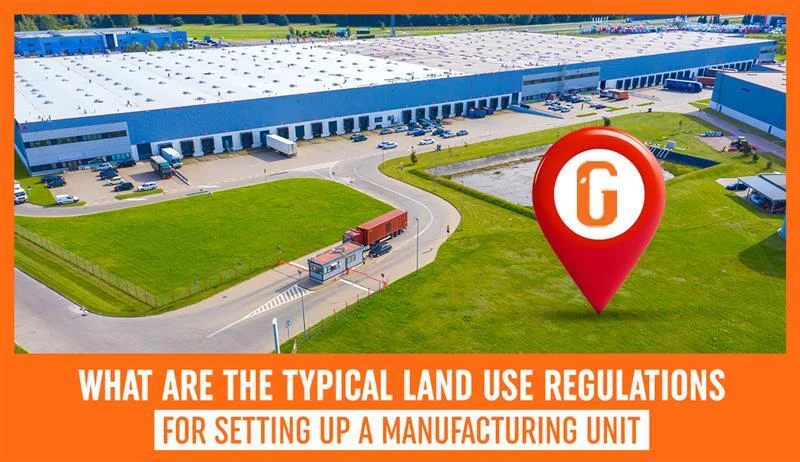
It’s indeed a strategic decision to establish a manufacturing unit for your business. It involves attention to minute details, careful planning, compliance with zoning laws and regulations, and a proper analysis of the location. In top industrial zones like the Howrah-Kolkata zone, near NH-16, the zonal laws encourage midsize and large businesses to flourish while complying with local laws and environmental regulations. If you are on your way to searching for the right Industrial plot in kolkata to set up your business, do research on the local laws and regulations. Lack of compliance might lead to unnecessary delays, penalties, and operational blockages in the long run. Ganesh Complex is your trusted partner based in the Howrah-Kolkata industrial belt, known for its expansive lands available for setting up manufacturing hubs or industrial parks. The blog explains the typical land-use regulations for setting up a manufacturing unit in commercial space.
About the Zoning Laws and Classes of Lands
Zoning lies at the base of any manufacturing set-up. The local development authority must approve the land for official industrial use. In a state like West Bengal, zoning regulations are strict, especially in and around the high-growing corridors such as Howrah and NH-16. Before you buy an industrial land, verify the facts below –
- Check whether the land falls under an industrial zone
- See whether the land is residential or agricultural and needs conversion
- Know the kind of restrictions imposed on the industry
When you are operating a manufacturing unit on non-industrial land without proper approvals, you may end up in legal trouble. Legal clearance and approval are much needed before you use a land for commercial purposes. As an investor, you must clearly understand the difference between industrial and commercial properties. Always ensure the specific property complies with local laws. In addition, some zones allow limited use of mixed-use development. The local law usually doesn’t allow manufacturing activities on designated industrial land due to safety concerns and a lack of a proper plan.
What Key Approval and Legal Compliance Do You Need?
Once the zoning part is confirmed, the next step is to seek the approvals. Establishing a manufacturing unit in the Howrah-Kolkata area needs coordination and communication with the authorities. Each approval is important for smooth operations. Here are the key approvals needed:
- Land Use Certificate (LUC)
A Land Use Certificate declares that the land is approved for use. Without the certificate, you may not receive further approvals on the land.
- Construction Plan Approval
Construction plans must comply with development regulations, including floor area ratio, height limits, and safety requirements.
- Environmental Clearance
Depending on the type of manufacturing activity, businesses might need approval from pollution control authorities. Industries are grouped based on their environmental impact. Compliance with regulations is mandatory.
- Fire and Safety NOC
The building design must include fire safety measures and obtain approval from the fire department.
- Utility and Infrastructure Permissions
Approvals for water supply, electricity connection, drainage, and waste management are also required before operations start.
Industrial parks and commercial spaces often make this process easier by providing approvals for infrastructure and compliance-ready plots. The process reduces the time and effort required to set up a unit.
What Are the Infrastructural and Developmental Rules?
Land-use rules also specify how industrial land should be developed. These rules ensure factories operate safely and do not contaminate the environment.
Some specific rules for developing land are:
Road Access: The land must have roads on the sides, often with a minimum width to allow large-sized vehicles to pass.
Open Space: A part of the land, around 10% must be left open or for green spaces.
Separate Areas: Factories may need areas for manufacturing, storage, and offices.
Waste Management: Proper waste disposal and treatment are mandatory for factories to avoid hazardous waste.
In the vicinity of NH-16, following these rules is especially important given heavy traffic and the growing demand for land. Following these rules helps with logistics and long-term stability.
Role of Locational Compliance
Location plays a critical role in how easily a manufacturing unit can meet regulatory requirements. The Howrah-Kolkata belt has come under the spotlight as a suitable industrial destination, thanks to its strategic advantages.
Key upsides include:
- NH-16 for easy and hassle-free transportation
- Connection to major ports and railway networks
- Availability of skilled local labour and industrial infrastructure
- Presence of established industrial clusters
- A range of modern-age amenities
The factors not only improve operational efficiency but also make it easier to get approvals, as many zones are already approved for industrial use. Opting for the right location reduces compliance risks and speeds up project timelines.
Why Aligning with the Industrial Regulations Makes the Difference?
Setting up a manufacturing unit gets simplified when you invest in an industrial complex. The developments meet the regulations from the beginning, offering your business a ready-to-use environment. Ganesh Complex, located near NH-16 in the Howrah-Kolkata belt, offers businesses a well-structured Industrial plot for sale in kolkata that meets regulatory requirements. From maintaining zonal laws to basic infrastructure, every facility supports easy business operations. When you follow all the land-use regulations for a commercial unit, the uncertainty about the purchase fades. You can focus better on the business growth than on resolving compliance challenges in the middle.
Bottom Line
It’s important to understand the land-use rules and regulations when setting up a manufacturing unit. You must align with zoning laws and obtain infrastructure approvals to determine your business success. Businesses should follow and maintain these regulations, or else, the consequences may lead to delays, unnecessary costs, and legal complications. For businesses planning to invest in industrial space, it’s crucial to choose the right commercial space. Well connectivity, locational advantages, and competitiveness are the keys to a successful business venture. The demand for industrials in the Howrah-Kolkata zone is on the rise, helping you make the right decision for the long-term success of your business.


