


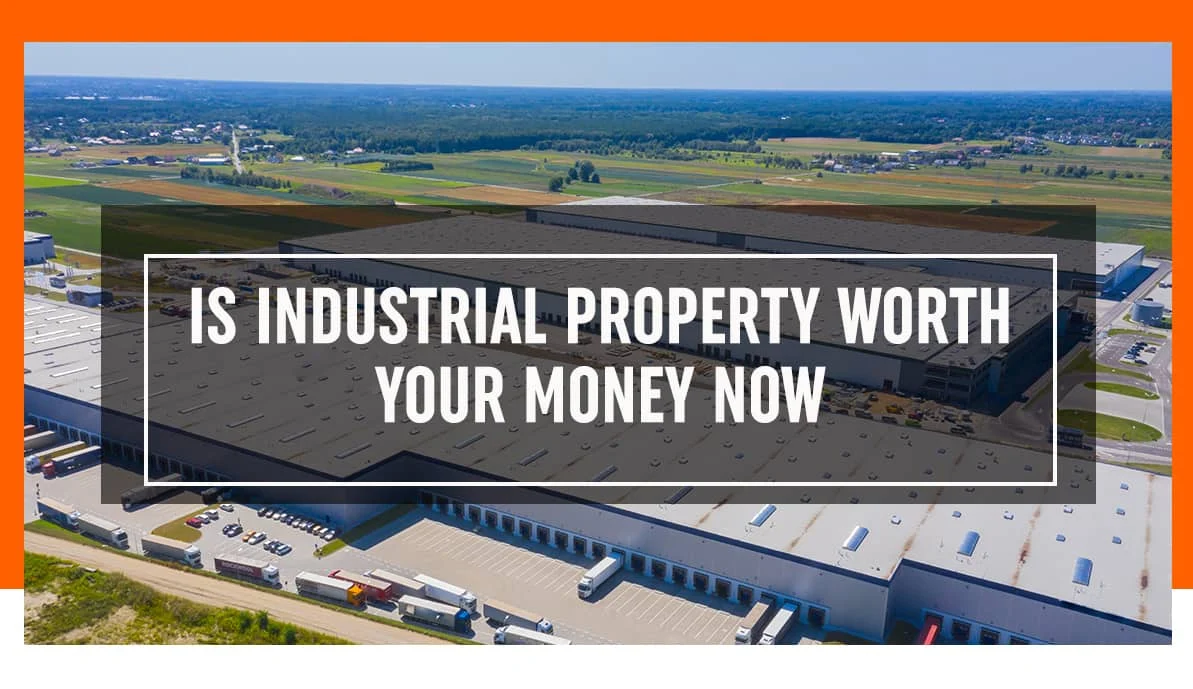
According to experts at Ganesh Complex, the global industrial property market has already risen from USD 95.42 billion in 2023 to USD 101.66 billion by the end of 2025 across West Bengal. For instance, Bengal has the brightest markets for industrial property for sale in Kolkata.
In nine months of 2026, the industrial and logistics (I&L) segment recorded leasing activity of USD 27.5 million, with Kolkata accounting for half of this growth.
As a result, this rapid expansion is supported by strong economic fundamentals, including a record of foreign exchange reserves, a narrowing current account deficit, and the creation of an investor-friendly environment.
Furthermore, the rise of last-mile delivery centres and advanced logistics hubs is reshaping the sector into a high-yield, future-ready investment. If you still wonder about investing in industrial real estate, this blog will aid you in uncovering the following: what industrial property is, why it matters so much, and how it can really transform your investment portfolio and business. As you know, those who don’t love profit, therefore, it is time to dive in!
What is Industrial Property?
Most industrial property is designed with a specific purpose and precision to support a range of industrial processes, including storage, production, and the movement of goods. It is of utmost importance even for the global supply chain. Without it, the products we rely on today would never reach us, or would get us only ineffectively.
Why do they matter so much today?
The sudden boom in the e-commerce sector and the surge in global trade have certainly driven demand for industrial space. More than a trend, it shifts how businesses operate and prioritises spaces. It does influence delivery duration and costs and meets the growing demand in West Bengal, where the vacancy rate for industrial properties is forecast to reach its peak by mid 2026.
Types of Industrial Properties
Now is the time to explore the types of industrial property and the value they bring.
- Heavy manufacturing facilities
- Light manufacturing facilities
- General warehouses
- Distribution centers
- Cold storage facilities
- Flex spaces
- Truck terminals
- Data centers
-
Manufacturing facilities
They are primarily used in various manufacturing processes, including the production, assembly, and packaging of products. Because manufacturing facilities tend to make sudden noise, special zoning requirements (which we will discuss further) are mandated. Therefore, based on the overall scale and purpose, it is further divided into several categories.
-
Heavy Industrial Buildings
These are mainly large-scale facilities that support extensive production processes. They are primarily equipped with large-scale machinery and infrastructure for bulk production and are mostly customised based on industrial and business needs. Examples include steel plants, food processing facilities, and automotive factories.
-
Light Manufacturing
These are adaptable, small-scale spaces that are ideal for assembly or light production activities. They mainly focus on assembling and the production of smaller goods and are suited for numerous industries. Some of the examples include electronics assembly plants, garment production units, and packaging facilities.
Warehouses and Distribution Centres
Most of these facilities store and distribute the following goods.
-
General Warehouses
This is mainly used for storing products until they are required.
-
Distribution Centers
This is designed for the quick movement of goods to retailers or consumers.
-
Cold Storage Facilities
These are specialised warehouses that definitely store perishable items at controlled temperatures.
-
Truck Terminals
Facilities where goods are mostly transferred between trucks or between trucks and warehouses.
-
Flex Spaces
Flexible spaces are versatile properties that include office, manufacturing, and warehouse spaces, adaptable to various business needs. As the name suggests, it is flexible enough to meet all your requirements.
-
Data Centers
With the sudden rise of cloud computing and digital transformation, data centres have become indispensable, as they house servers and IT infrastructure critical to processing and storing data. The significant demand for data centres is projected to grow by 10% annually, driven mainly by expanding digital services.
As we have already covered the types of industrial property, let us delve into their classifications just to evaluate their investment potential and operational suitability.
Different Class Types in Industrial Property
If you are really looking for the correct long-term industrial real estate investment, it is critical to understand its quality, location, and potential risks. This is why there are three categories, based solely on the properties’ age, location, and quality. These three class types help you quickly evaluate whether a property is worth the price.
Class A Properties
They are basically the showstoppers and top-tier spaces that everyone usually speaks about. Why so? They are mainly located in major industrial hubs with ample access to primary transport networks equipped with modern amenities and technology. They certainly attract high-profile business tenants willing to pay premium rents, indicating good returns and long-term stability for investors. They are primarily in higher demand and need more availability.
Class B Properties
They are reliable, ready options, like the dependable workhorse of the industrial real estate space. They never have the flair of Class A, but they do get the job done. These buildings are older but well-maintained and functional, making it a solid choice. According to experts at Ganesh Complex, secondary markets are where tenants typically choose, driven by affordability and potential. It does become a high-value asset with some renovation and modern infrastructural updates.
Class C Properties
Class C properties are the underdogs: older buildings with more potential. They are around 20 years old and idle in less desirable locations. They need a bit of renovation or a lot. As a result, renovating or modernising them will definitely require a significant upfront investment.
But don’t write them off just yet. It is the Class C properties that offer higher yields, especially if you are willing to roll up your sleeves and put in the work. They are often a favourite among smaller businesses looking for budget-friendly options, which means steady tenants if you know how to position the property effectively.
4 Key Considerations for Industrial Property Investors
Industrial property for sale in Kolkata is a calculated play rather than a quick win. Here is what you need to know before making the next move.
-
Location
You have already heard this one before, but it is critical. The closer a property is to transportation hubs, ports, or urban centres, the better it is. Why? As businesses love efficiency. For instance, West Bengal are prospering with industrial property hotspots due to its strategic proximity to major ports, logistic hubs, and highways.
-
Industrial Property Zoning and Regulations
This one is the red tape territory, a not-so-fun part. Steering industrial property zoning and regulations is critical to avoid legal and operational hurdles. You never want to discover halfway through a deal that you can’t use the property for its well-intended purposes. Try to keep an eye on policy changes, as what works today might need adjusting tomorrow.
Here is what you can really do: ensure your property aligns with industrial zoning and regulations for industrial use. Then, do understand the regional policies on waste management, safety standards, and emission control and make sure the property you are looking for and its purpose meet these policies. It does seem tedious, but it is critical.
-
Property Specs Matter
According to the experts at Ganesh Complex, the property’s infrastructure and amenities are critical. They help you attract big-ticket tenants who appreciate good amenities, advanced technology, and modern infrastructure within the property.
-
Market Trends and Demand
Always try to stay ahead of the curve. By mid 2026, West Bengal will see projected growth to meet surging e-commerce demand and support last-mile delivery operations. This sudden growth highlights the growing value of industrial assets, especially those tailored to evolving business needs. As a result, know your cards and play right, perform thorough research, make a smart move and gain a huge win.
Technological Transformation Trends in Industrial Real Estate Sector
Modern technology definitely reshapes the industrial real estate, adding more innovative and efficient solutions. It is the automation and AI that are really transforming warehouses through robotics and advanced inventory management systems, reducing errors.
While IoT-enabled devices do monitor real-time operations, optimise energy consumption, and streamline logistics. These innovations are primarily enabled by 5G connectivity, enabling seamless integration across supply chains and enhancing overall productivity.
Sustainability is a key focus, from solar energy installations to green building certifications. Industrial properties are increasingly eco-conscious, meeting regulatory requirements and tenant expectations. Digital twins, virtual replicas of physical assets, enable predictive maintenance and better planning, while data centres are expanding to support the growing dependence on AI and cloud computing.
These do sets the stage for a future in which industrial real estate is inherently adaptive, efficient, and environmentally responsible.
It is Ganesh Complex that provides access to a future-ready ecosystem that combines real estate expertise with cutting-edge technology. As a result, from optimising property management with IoT to enabling smarter investment decisions, our solutions empower clients to stay well ahead in a competitive market.
Whether you are an investor seeking growth or a business aiming for operational excellence, we are your trusted partner in industrial real estate. Explore our solutions today to stay ahead in this dynamic sector. If you are looking for different types of industrial property for sale, contact us today!


