


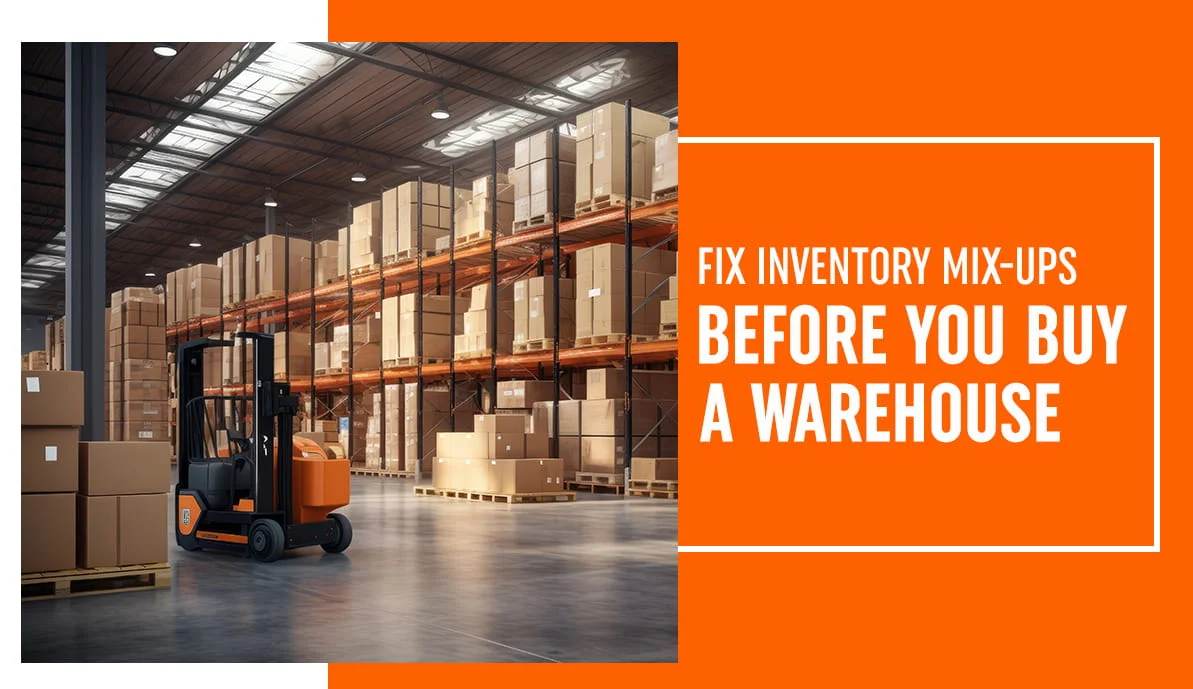
Buying a warehouse is a critical investment decision that definitely impacts your supply chain efficiency and even your business growth. Several companies rush into purchasing storage facilities without even addressing the real reasons behind operational chaos and poor inventory management. Before you commit to an industrial warehouse, it’s critical to identify and fix inventory mix-ups that could follow you into your new facility.
Understanding Inventory Mix-Ups
At times, inventory mix-ups occur when stock records don’t match physical inventory. It leads to misplaced goods, delayed order fulfilment, overstocking or stockouts.
According to experts at Ganesh Complex, the major causes include poor labelling systems, manual tracking, a lack of standardised storage processes, and outdated technology. Expanding into a bigger space without resolving these issues results in higher costs and even greater inefficiencies.
While a warehouse does support streamlined operations, it doesn’t magnify existing problems. This is why fixing inventory issues comes before investing in a newer facility.
Why Space Isn’t Always the Problem
The majority of the businesses assume that limited space is the sole reason for cluttered storage and slow order processing. While in reality, poor layout design, inefficient picking processes, and a lack of real-time tracking are often the root causes.
As a result, purchasing an industrial warehouse for sale without addressing these inefficiencies can lead to underutilised space and increased operational expenses. Therefore, optimising inventory flow, slotting strategies, and storage systems can significantly improve performance even within the current facility.
The Cost of Ignoring Inventory Issues
At times, unresolved inventory problems can be really expensive. Inaccurate stock data leads to missed sales, excess holding costs and unhappy customers. Over time, these issues damage brand reputation and strain cash flows.
When such problems are carried into a newly purchased warehouse, the cost of fixing them multiplies due to larger space, higher labour requirements, and increased maintenance expenses. The new warehouse should be a solution, not an extension of existing inefficiencies.
Technology and Process Optimisation
According to the experts of Ganesh Complex, before investing in an industrial warehouse for sale, businesses should evaluate their warehouse management systems (WMS), barcode or RFID tracking, and staff training processes.
Implementing proper inventory controls, automation, and standardised workflows can dramatically reduce errors. Clear zoning, logical racking systems, and defined inbound and outbound processes help you ensure smoother operations and better space utilisation. Once inventory is under control, it becomes easier to identify the right size and types of warehouse needed for future growth.
Choosing the Right Warehouse After Fixing Inventory
Once the inventory mix-ups are resolved, businesses are positioned to select a warehouse that truly meets their needs.
Some factors like locations, ceiling heights, floor load capacity, dock availability, and expansion potential, become clearer when operations are running smoothly. An industrial warehouse for sale should perfectly align with your optimised workflow, not force you to adapt inefficient processes to a new space.
Warehouse Management Problems: Address Them First
The experts from Ganesh Complex believe that several organisations mistake growth challenges for space constraints, when in fact they are facing deeper warehouse management problems. These include poor inventory visibility, lack of process standardisation, and inefficient labour management.
Conclusion
As a result, buying a warehouse is a strategic move that does support efficiency, scalability, and profitability. Without fixing inventory mix-ups first, even the best facility can make a huge mistake. By addressing inventory control and warehouse management problems before purchasing an industrial warehouse for sale, businesses ensure their investment delivers real operational value and sustainable growth.
Before investing in a new warehouse, take time to analyse and resolve your warehouse management problems. Identifying the process gaps and inventory issues early saves costs, improves efficiency, and helps you choose the industrial warehouse for long-term success.


